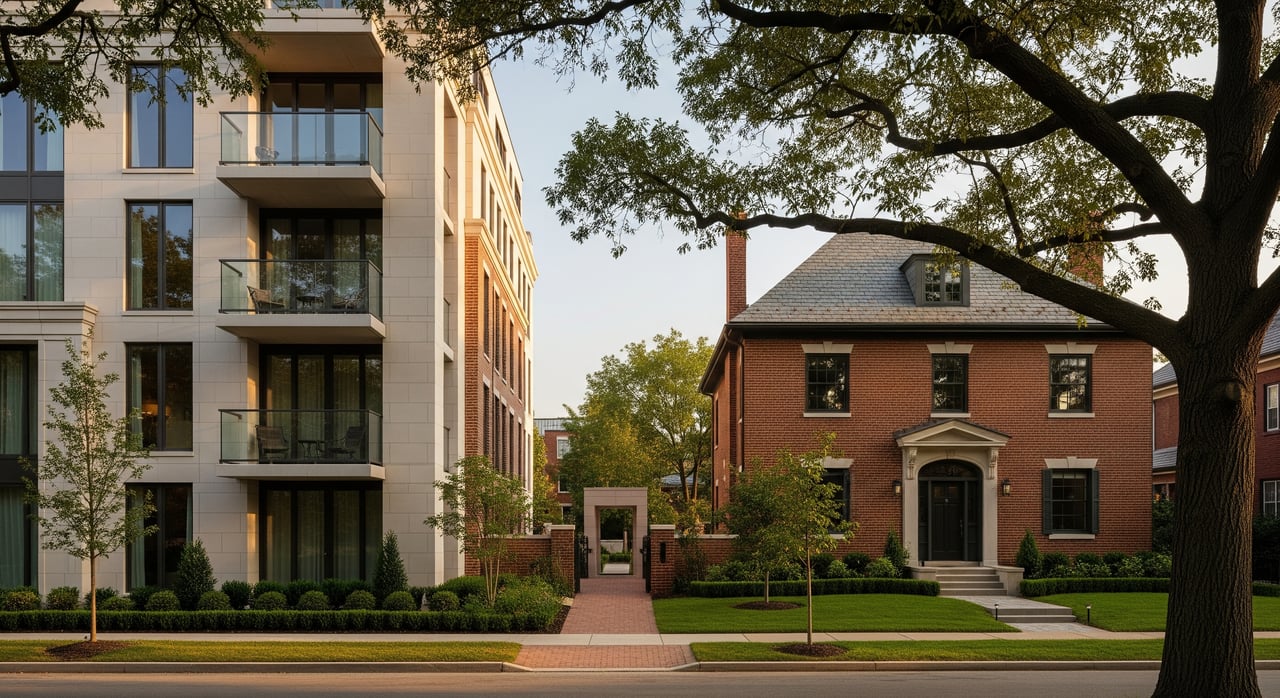
Trying to choose between a condo and a house in Clayton can feel like comparing two great lifestyles. You want the right mix of convenience, space, and long-term value, and you do not want surprises in your monthly costs. In this guide, you will learn how condos and single-family homes in Clayton differ on costs, rules, daily living, and resale, plus the due diligence steps that help you buy with confidence. Let’s dive in.
Clayton living at a glance
Clayton is the St. Louis County seat, with a walkable downtown core surrounded by established residential streets. The city blends offices, dining, and culture with quiet neighborhoods, which is why you see both condo towers and single-family homes in close proximity. To understand planning, permits, and local services, explore the official resources from the City of Clayton.
Market trends in Clayton often track broader county patterns, but the condo and single-family segments can move differently. If you want current stats, tap into local market reports from St. Louis REALTORS and pair them with building-level or neighborhood insights before you write an offer.
Cost comparison: condo vs house
Up-front costs and financing
Condo purchase prices in Clayton often start lower than single-family homes, though price per square foot depends on location, building quality, and amenities. For financing, condos can require extra steps. Lenders may review the association’s budget, reserves, insurance, and owner-occupancy levels. If you are using government-backed loans, check project eligibility with HUD’s FHA resources and VA home loan condo requirements early in your process.
With single-family homes, financing is typically more straightforward at the property level. Your lender will still underwrite the home condition and appraisal, but there is no association review. Depending on your goals, you can compare total cost of ownership for each option rather than just the list price.
Monthly and ongoing costs
Condo owners pay monthly HOA or condo fees that usually cover exterior building insurance, common-area maintenance, landscaping, snow removal, and contributions to reserves. Some buildings include utilities or amenities, which can influence the size of the fee. Make sure you factor these dues into your monthly housing budget.
Single-family homeowners carry more direct costs for maintenance, utilities, and exterior care. You will insure the entire structure and the lot, while condo owners typically carry an HO-6 policy that covers the interior, personal property, and liability. For property taxes, review assessed values through the St. Louis County Assessor so you know what to expect for any specific address.
Special financial risks
The biggest financial variable for condos is the potential for special assessments. Associations can levy additional fees for major repairs or to bolster reserves if funding falls short. Before you commit, review the HOA’s current budget, financials, and reserve policy, and ask for meeting minutes to understand upcoming projects.
Houses bring fewer shared risks but greater personal responsibility. A new roof, HVAC replacement, or sewer repair is your cost alone. If you prefer to budget with fewer variables, compare the HOA’s reserve strength to the likely maintenance horizon of a single-family property you are considering.
Rules, inspections, and approvals
What to review in an HOA
Condo and townhome buyers should read the governing documents. That means CC&Rs, bylaws, rules, rental policies, pet rules, and parking provisions. These documents outline use of common areas and how the association can set dues or assessments. If you want to understand state-level rules on associations, consult the Missouri condominium statutes and loop in a local attorney for specific questions.
Ask for financial documents, including the current budget, balance sheet, and any reserve study or policy. Meeting minutes and any litigation disclosures can reveal maintenance concerns, conflicts, or pending liabilities that affect your risk and resale.
Inspections and disclosures
For condos, schedule a standard property inspection and, if accessible, an evaluation of any related common elements. Clarify which systems are your responsibility versus the association’s, such as in-unit HVAC. For single-family homes, plan for a full home inspection and add specialized inspections as needed, such as roof, foundation, or sewer scope.
Permits and zoning
If you plan to renovate a house, check zoning, setbacks, and permit history with the City of Clayton before you buy. Condo renovations are usually limited to interior changes and may need board approval. Exterior changes and common area alterations are typically not allowed without association consent.
Lifestyle trade-offs in Clayton
Walkability and convenience
Condos near Clayton’s downtown core often offer a short walk to dining, shops, offices, and some transit options. If you value a low-maintenance lifestyle and quick access to amenities, this convenience can be a major plus.
Space, privacy, and storage
Single-family homes generally deliver more square footage, private yards, and storage. If you want outdoor space for gardening, pets, or gatherings, a house may fit your routine better. Expect more responsibility for lawn care and snow removal.
Parking and guest access
Many condo buildings offer assigned garage parking, with rules for guest parking and, sometimes, extra fees for additional spaces. Houses usually have driveways and garages with fewer constraints but more upkeep.
Noise and community feel
Condos come with shared walls, floors, or ceilings, so construction quality and building rules matter for noise and privacy. Houses typically provide more separation, though lot size in some Clayton neighborhoods still places homes in close proximity. Visit properties at different times of day to get a sense of the environment.
Pets and outdoor use
HOAs often regulate pet size, number, and where you can exercise pets on the property. Single-family homes offer more flexibility, subject to city ordinances and any neighborhood covenants. Always confirm the current rules before you make an offer.
Accessibility considerations
Many condos provide elevator access and single-level living that can simplify daily life. Houses may include multiple levels and stairs unless designed for accessibility. Consider both your current and future needs.
Resale and marketability factors
Strong resale in Clayton often comes down to condition, location, and governance. For condos, building health is key. Solid reserves, transparent boards, and well-maintained common elements support stable values. A building with many active listings can weigh on prices, while dated systems and deferred maintenance can lead to assessments and slower sales.
For houses, lot size, curb appeal, and opportunities to renovate or expand can boost long-term value. Always verify that previous improvements were permitted and closed out properly, which helps avoid appraisal or title issues later. School district boundaries can influence buyer interest; explore boundary maps and enrollment details directly with the Clayton School District for the most current information.
Time to sell can differ by property type. Condos may appeal strongly to downsizers and professionals who value location and convenience, while houses tend to draw a broader pool that includes many family buyers. Your best move is to review recent comparable sales and active competition right before you list or write an offer.
Quick decision guide
Choose a condo if you:
- Prefer walkability to Clayton’s amenities and low-maintenance living.
- Want predictable exterior upkeep handled by an association.
- Value building amenities and secured access.
- Are comfortable reviewing HOA budgets, reserves, and rules.
Choose a single-family house if you:
- Want a private yard, more storage, or space to expand.
- Prefer full control over exterior and landscaping decisions.
- Are ready to manage maintenance directly and budget for larger items.
- See long-term value in customizing the property.
Due diligence checklist
Before you write an offer, gather the right documents and answers. Use this list to stay on track.
For condos and townhomes:
- CC&Rs, bylaws, rules, and rental policy; confirm any short-term rental restrictions.
- Current budget, balance sheet, and any reserve study or reserve policy.
- Insurance declarations for the master policy; clarify what the policy covers.
- Board meeting minutes and any litigation disclosures from the past 12 months.
- History of special assessments over the last 3 to 5 years.
- Parking assignments, guest parking rules, and any storage policies.
For single-family homes:
- Permit and zoning history from the City of Clayton, including any additions or major systems work.
- Recent utility bills and information about maintenance or service plans.
- Any neighborhood covenants that apply to appearance or landscaping.
For both property types:
- Full home inspection plus specialized inspections as needed.
- Sewer scope for older properties, and pest inspection as recommended.
- Property tax assessment details from the St. Louis County Assessor.
- Flood zone status using the FEMA Flood Map Service Center.
If you are financing a condo with FHA or VA, confirm project eligibility early with HUD FHA resources or VA home loan guidelines. Early checks can save time and prevent surprises during underwriting.
Ready to talk through which path fits your life, budget, and timeline in Clayton? Schedule a quick strategy session with Jason D Cooper to compare specific buildings and neighborhoods, review HOA documents, and map out next steps.
FAQs
What should I know about condo financing in Clayton?
- Some lenders require project reviews for condos, and FHA or VA loans may need building approval, so start by confirming eligibility with HUD FHA resources or VA home loan guidelines.
How do HOA special assessments work in Clayton condos?
- Associations can levy assessments for major repairs or reserve shortfalls, so review the current budget, reserves, meeting minutes, and any planned projects before buying.
How do Clayton property taxes differ for condos and houses?
- Both are assessed individually by St. Louis County, so verify the specific property’s assessed value and tax history with the St. Louis County Assessor.
Where can I check school information and boundaries for Clayton?
- Go directly to the Clayton School District for enrollment details, programs, and boundary maps to confirm the latest information.
How do I check if a property in Clayton is in a flood zone?
- Enter the address at the FEMA Flood Map Service Center to view official flood maps and insurance considerations.