Does your home’s first impression match its Webster Groves charm? With so many classic porches, brick facades, and mature trees in the neighborhood, small choices outside can make a big impact when buyers pull up. You want updates that look great, fit the character of your street, and hold up to St. Louis weather. This guide walks you through proven curb appeal ideas for Webster Groves, from climate-ready plants to historic-friendly upgrades and smart budgets. Let’s dive in.
What buyers notice first
Front door and entry
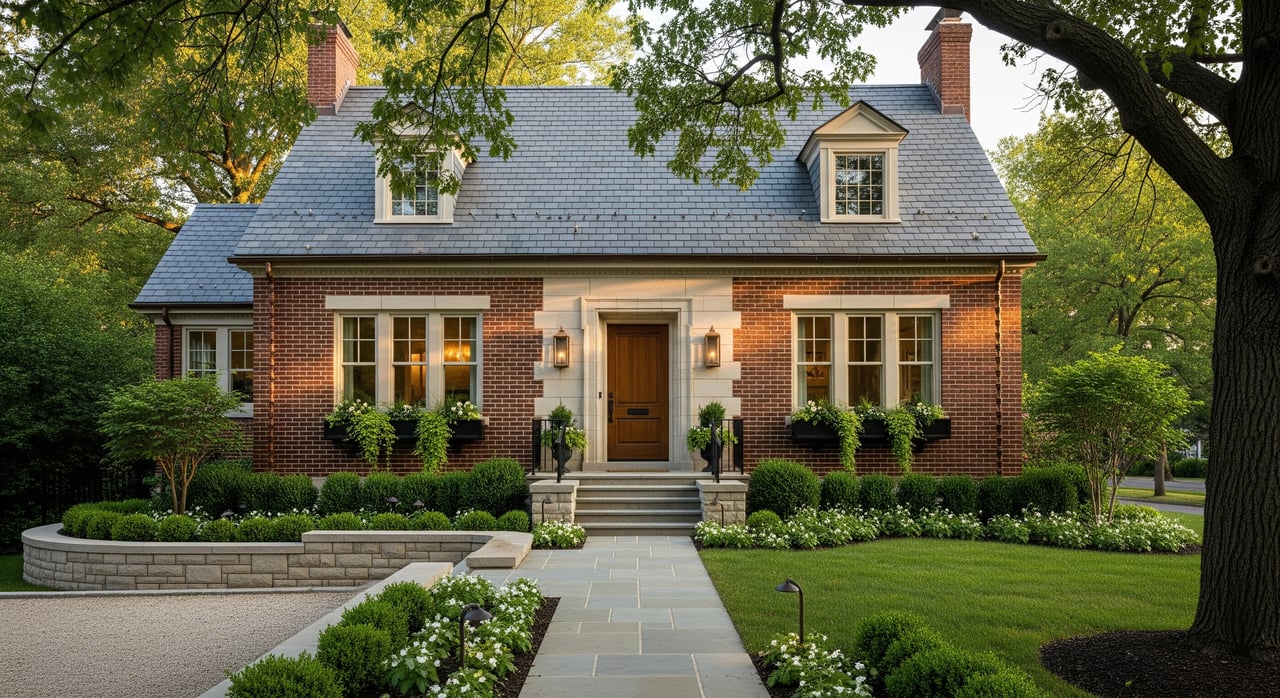
A fresh front door color, clean trim, and upgraded hardware catch the eye immediately. Choose a contrasting color that complements your brick or siding and keep proportions in line with the home’s era. Repair or repaint porch rails and steps, and add a simple bench or planter for a welcoming feel. Keep shrubs pruned so the door is clearly visible from the street.
Walkways and driveways
Cracks, heaving, or stains draw attention fast. Clean, repair, and edge your walkway and driveway so the route to the door feels intentional and safe. Brick or natural stone edging can add a traditional look that suits many Webster Groves homes. If you are considering new paving, confirm permit needs before work begins.
Lighting after dark
Layered lighting makes your home feel inviting and safer. Combine a properly scaled porch light with path or step lights and a subtle accent on a specimen tree or the entry. Use warm LED bulbs around 2700–3000K with photocells or timers to save energy. Choose fixtures that match the home’s style and stay within historic guidelines where they apply.
Webster Groves design basics
Respect historic character
Many streets include late‑19th and early‑20th century homes alongside mid‑century ranches. Keep porch proportions, rail styles, and trim profiles consistent with the era of your house. In locally designated historic districts, exterior changes often require review, so plan your palette and materials with that in mind.
Clear sightlines and scale
Buyers want to see the front door and a tidy facade. Trim back or replace overgrown foundation shrubs, especially near windows. Use smaller plants near the entry and larger shrubs at corners to anchor the home without overwhelming it. Keep plantings below sill height to preserve natural light.
Drainage and stormwater
Heavy spring and fall rains can test older lots. Redirect downspouts away from the foundation with splash blocks or extensions. Address low spots that collect water and consider shallow swales or a rain garden if needed. Standing water and erosion are red flags for buyers, so fix basics before adding new plants.
Landscaping that thrives here
Webster Groves sits in a zone 6b–7a environment with hot, humid summers and cold winters. Choose plants that handle heat, summer humidity, and freeze/thaw cycles.
Sun-loving perennials and grasses
- Purple coneflower (Echinacea): Full sun, moderate water, 2–4 ft tall. Long bloom and pollinator value.
- Black‑eyed Susan (Rudbeckia): Full sun, moderate water, 2–3 ft tall. Bright color and easy care.
- Bee balm (Monarda): Full sun to part sun, moderate water, 2–4 ft tall. Attracts pollinators.
- Asters: Full sun, moderate water, 1–3 ft tall. Late-season color.
- Little bluestem (Schizachyrium): Full sun, low water once established, 2–4 ft tall. Great texture and fall color.
- Switchgrass (Panicum): Full sun, low to moderate water, 3–6 ft tall. Strong structure and movement.
Shade and dappled light options
- Wild ginger (Asarum canadense): Shade, low water once established, 6–8 inches tall. Lush groundcover under trees.
- Serviceberry (Amelanchier spp., shrub form): Part sun, moderate water, 6–15 ft tall. Four-season interest.
- Spicebush (Lindera benzoin): Shade to part sun, moderate water, 6–12 ft tall. Woodland-friendly foundation plant.
Foundation shrubs that fit the architecture
- Viburnums (various): Sun to part sun, moderate water, 4–10+ ft tall. Use smaller cultivars near windows.
- Ninebark (Physocarpus): Sun to part sun, low to moderate water, 3–8 ft tall. Colorful foliage and bark.
- Inkberry holly (Ilex glabra): Sun to part sun, moderate water, 3–6 ft tall. Evergreen structure without prickly leaves.
Small ornamental trees for front yards
- Eastern redbud (Cercis canadensis): Sun to part sun, moderate water, 15–25 ft tall. Early spring blooms.
- Flowering dogwood (Cornus florida): Part sun with afternoon shade preferred, moderate water, 15–25 ft tall. Classic understory tree.
- River birch (Betula nigra): Sun, moderate to higher water, 30–50 ft tall. Good for wetter spots.
Planting tips for success
- Plant trees and shrubs in fall or spring for best establishment.
- Add 2–3 inches of mulch in beds, keeping it away from trunks and the house foundation.
- Improve compacted soil with compost when replanting beds.
- Use drip irrigation or soaker hoses for new plantings to reduce water waste.
What to avoid
Skip known invasive woody plants like bush honeysuckle and certain ornamental pears. They spread aggressively and are discouraged in Missouri. Choose native or well‑adapted alternatives that provide similar shape or bloom.
Quick weekend wins
- Power wash siding, brick, and steps for a fresh look.
- Repaint the front door and trim, and replace worn hardware.
- Refresh mulch and add seasonal color at the entry.
- Replace a dated mailbox and add clear, well‑lit house numbers.
- Edge beds and lawn, and prune dead wood.
- Add two matching, well‑scaled planters to frame the door.
Hardscape and materials that belong
Use materials that echo your home’s finishes. Brick walks work beautifully with brick facades, while natural stone accents pair well with wood siding and stone foundations. A broomswept concrete driveway suits many mid‑century homes. If drainage is a concern, consider permeable pavers or gravel in the right context, and confirm local rules before installing.
Seasonal curb appeal plan
- Spring and fall: Plant trees and shrubs, refresh mulch, and inspect for winter damage.
- Summer: Mow and edge regularly, deadhead flowers, and maintain irrigation during hot, dry spells.
- Winter: Keep the entry clear of ice and snow, maintain lighting, and use evergreen boughs or cold‑hardy container plantings for off‑season appeal.
Budget and ROI basics
Set expectations based on scope and focus on high‑impact items first. Estimated ranges vary by property and contractor, so get local quotes.
- Simple refresh: Cleaning, mulch, plants, and paint touch‑ups often run about $500 to $3,000.
- Moderate landscaping: New beds, a few specimen trees, and walkway improvements often total about $3,000 to $12,000.
- Major overhaul: Hardscape, large trees, and new driveway or porch can run $10,000 to $40,000+.
- Garage door replacement: Often about $800 to $3,500 and frequently ranked as a top ROI exterior project.
- Front door replacement: Often about $600 to $3,000+ depending on material and glass.
Industry reports consistently show that garage door replacements, modest landscaping, and entry door upgrades perform well for resale. For most sellers, a clean, well‑maintained look beats a costly redesign. Prioritize repairs, paint, lighting, and tidy plantings before extensive projects.
Permits and approvals in Webster Groves
- Historic districts: If your home is in a local historic district, exterior changes often require review. You may need approval for items like porch rebuilds, window or door replacements, siding changes, and driveway work.
- Building permits: New hardscape like retaining walls above certain heights, structural porch repairs, driveway replacement, and electrical work for exterior lighting typically require permits.
- Street trees and the curb strip: Check city rules before planting or removing trees in the parkway.
- Call before you dig: Always contact 811 to mark utilities before installing irrigation, lighting, or new hardscape.
Contractor selection tips
- Choose licensed, insured pros and verify references and recent work photos.
- For historic homes, consider contractors with experience in period-appropriate materials and details.
- Get multiple written bids, confirm who pulls permits, and clarify timelines.
- Book early for spring and fall landscaping, as these seasons fill fast.
A simple project roadmap
- Walk your facade: List visible repairs, tripping hazards, peeling paint, and overgrown shrubs.
- Set a budget: Prioritize safety, cleanliness, and high‑impact upgrades.
- Pick plants by sun, size, and water needs: Choose natives and adapted species for durable results.
- Sequence the work: Do pruning, cleaning, and paint before new plantings or lighting.
- Schedule contractors and inspections as needed: Line up permits early if required.
Curb appeal by home style
Victorian or late‑19th century
Honor the porch. Repair spindles and rails, select a historically compatible color palette, and light the entry with a proportionate fixture. Use layered beds with shrubs at corners and lower perennials up front. A brick or stone walkway often fits the era.
Craftsman or early‑20th century
Keep the entry simple and strong. Paint or stain the door, highlight chunky columns, and add warm, low‑glare lighting. Choose shrubs with clean forms and native perennials for texture. A straight, well‑edged path to the door reads authentic and tidy.
Mid‑century ranch
Aim for clean lines and lower plant profiles near the facade. Consider a modern house number plaque and an updated garage door. Ornamental grasses and simple evergreen masses create structure without blocking windows.
Ready to sell or refresh?
If you plan to list soon, focus on visible maintenance, entry upgrades, modest landscaping, and lighting. These items create a strong first impression and align with what buyers notice most in Webster Groves. When you want help prioritizing and coordinating, reach out for local guidance, vetted contractor referrals, and a plan that suits your timeline. With Compass resources like Concierge, you can front-load select improvements to maximize market impact.
If you would like a tailored curb appeal plan for your home, connect with Jason D Cooper to schedule a personalized consultation.
FAQs
What curb appeal upgrades deliver the best value in Webster Groves?
- Focus on a clean facade, a refreshed front door, tidy foundation beds, upgraded lighting, and if needed, a new or newly painted garage door; these items are highly visible and tend to offer strong ROI.
Which plants are low maintenance for St. Louis conditions?
- Choose Missouri‑adapted natives like coneflower, black‑eyed Susan, ninebark, and little bluestem; they handle heat, summer humidity, and winter cold with less watering once established.
Do I need a permit to redo my front walk or lighting?
- Many exterior projects, including significant walkway or driveway work and electrical for lighting, may require permits; check with Webster Groves before starting.
How should I handle drainage that hurts curb appeal?
- Extend downspouts away from the foundation, add splash blocks, and grade to guide water away; for larger issues, consider a shallow swale or rain garden and consult a landscape professional.
What is the plant hardiness zone for Webster Groves?
- The area generally falls in USDA zones 6b–7a, which supports a wide range of ornamental trees, shrubs, and perennials suited to hot summers and cold winters.
I’m in a historic district; can I change my door or windows?
- Many historic areas allow sensitive changes but often require review and approval; check with the city’s historic preservation staff before making exterior alterations.
How much should I spend before listing my home?
- Prioritize safety and visible repairs first, then invest in targeted, high‑impact items like the front door, mulch, pruning, and lighting; a modest, focused budget often pays off better than a full redesign.