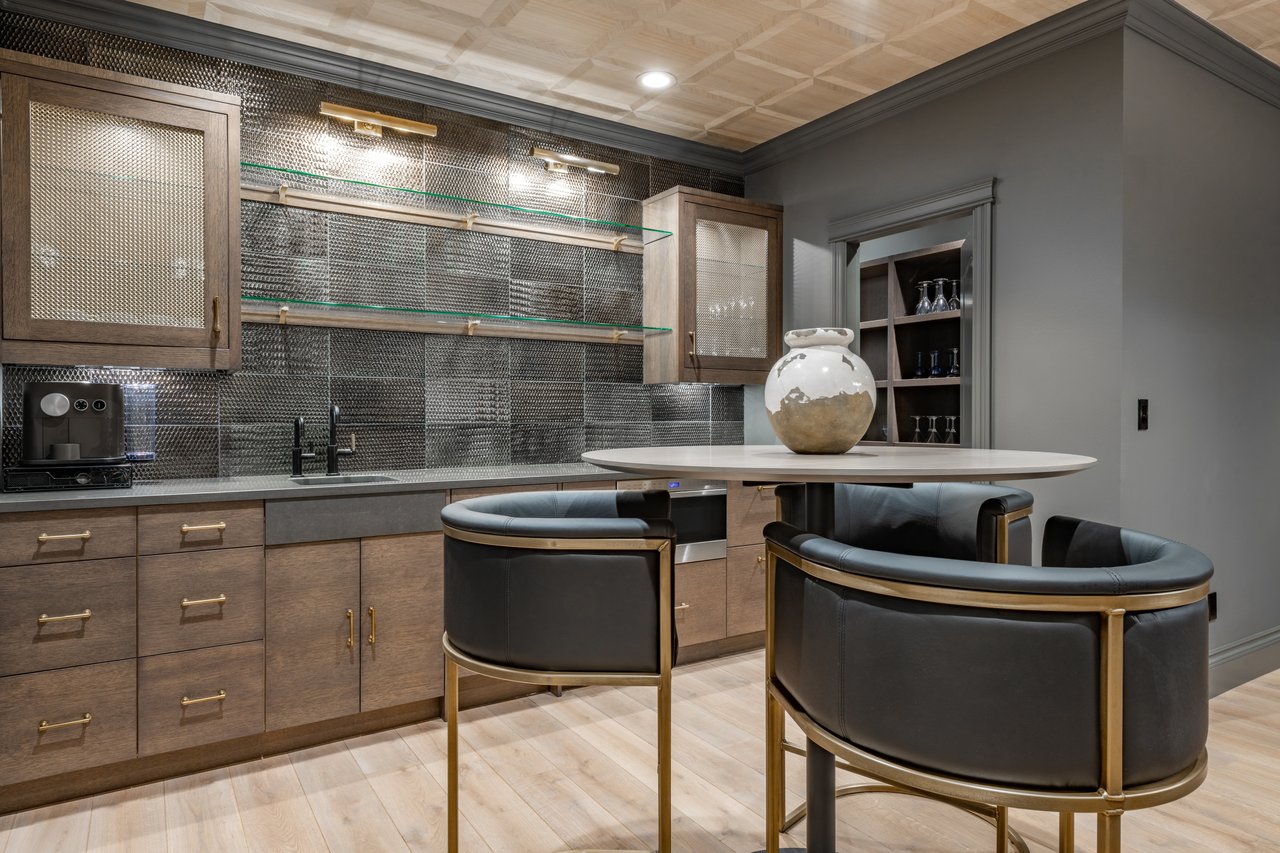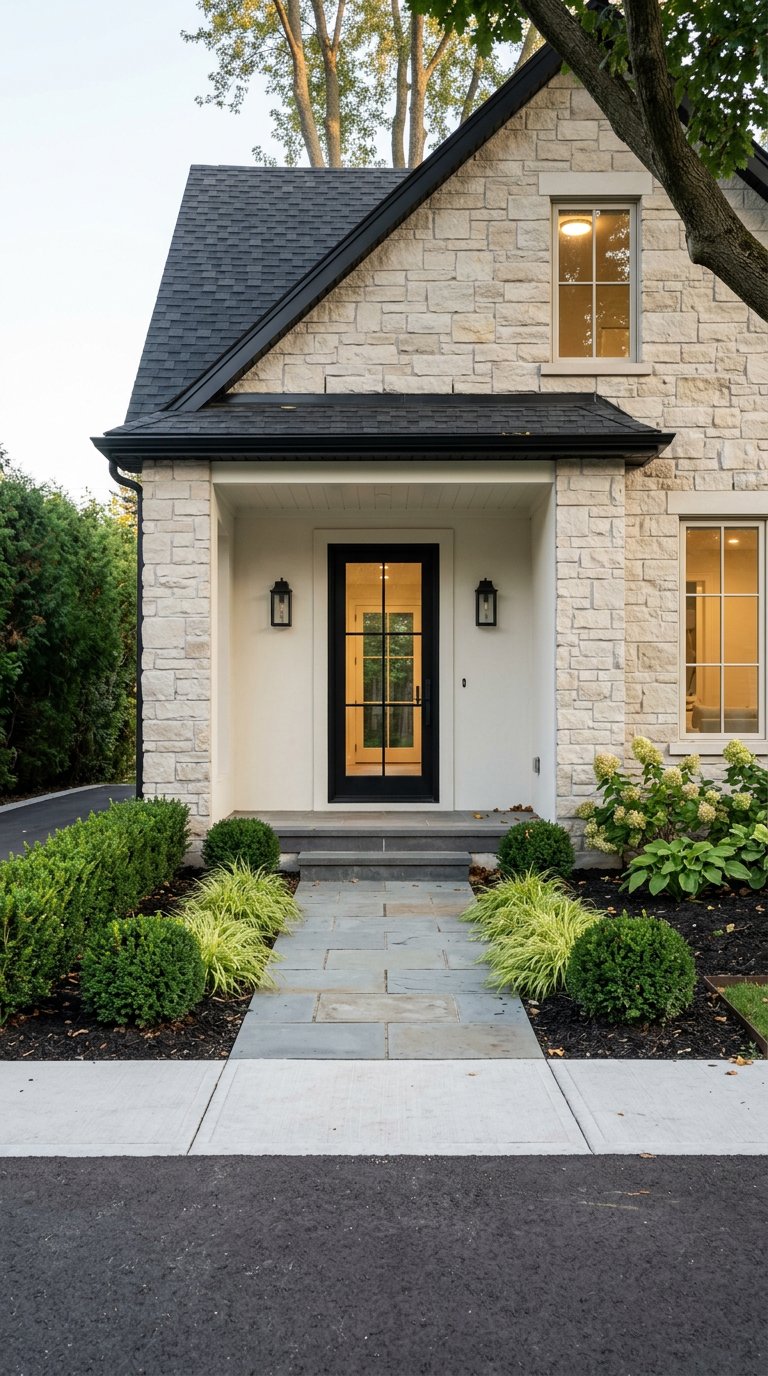
Thinking about a smaller home but not ready to give up everything you love about Ladue? You are not alone. Many longtime residents want less maintenance and more simplicity while keeping familiar routines, clubs, parks, and access to Clayton. In this guide, you will learn how to right‑size in or near Ladue, what local zoning allows, and how to plan a smooth sell‑and‑buy timeline without sacrificing lifestyle. Let’s dive in.
What staying “in Ladue” really means
When you say you want to stay in Ladue, you may be thinking about city limits, the 63124 ZIP code, or the Ladue School District. Those are not the same things. Some listings labeled “Ladue/63124” can be in nearby municipalities or unincorporated St. Louis County. Before you make a promise to yourself about location, verify the municipal boundary by checking the county property records for the exact address. You can confirm jurisdiction, tax districts, and recent assessments using the county lookup resource for St. Louis County property records.
Ladue’s draw is clear. You have recognized schools in the Ladue School District, a large community park at Tilles Park, nearby private country clubs, and quick access to shopping and dining in Clayton. To explore the district’s awards and recognitions, review the district recognitions page maintained by the Ladue School District. These lifestyle anchors are why many owners choose to downsize while staying close.
- County property and jurisdiction lookup: St. Louis County property records
- District awards and context: Ladue School District recognitions
Snapshot of Ladue’s market today
Public aggregator snapshots put Ladue at the higher end of the metro. Zillow’s ZHVI showed an average Ladue home value near $1.27 million for the period ending Dec 31, 2025. Redfin’s February 2026 snapshot reported a median sale price around $1.5 million and a longer time to contract, with days on market near 94 in that view. Realtor.com’s median snapshot was in a similar range. Aggregators update on different schedules, so numbers vary. Always confirm with live MLS data and recent comps before you list or write an offer.
Why zoning shapes your options
Ladue’s character is set by its zoning ordinance. The city strongly favors lower‑density, single‑family living, which is why typical condo buildings are scarce in the city limits. The ordinance lists several prohibited uses across the city, including “multiple family dwellings and condominiums.” You can read the rules directly in the City of Ladue Zoning Ordinance (Ordinance 1175).
- Zoning ordinance: City of Ladue Ordinance 1175 (PDF)
- City resources: City of Ladue
Key lot-size realities that influence right‑sizing:
- A (estate) district: minimum lot area 3 acres.
- B district: minimum lot area 1.8 acres.
- C district: minimum lot area 30,000 square feet, about 0.69 acres.
- D district: minimum lot area 15,000 square feet.
- E and E‑1 districts: minimum lot area around 10,000 square feet, with E‑1 described as pedestrian‑friendly and intended for smaller‑scale homes.
Because conventional multi‑family and condos are generally not permitted in the city, downsizing inside Ladue usually means a smaller single‑family home, often on an E, E‑1, or D lot, or moving into a rare development that received special approval. Ladue does allow a Planned Unit Development (PUD) overlay in certain cases. A PUD can provide flexibility for “downsized luxury housing,” but it requires a multi‑step, discretionary approval with the Planning Commission and City Council. If you are eyeing a maintenance‑free product in the city, expect it to be part of a specialized approval process.
Right‑sizing choices in or near Ladue
Smaller‑lot single‑family homes (E, E‑1, D)
These homes give you the privacy and feel of a detached house with less yard and simpler upkeep. The E‑1 district was crafted for smaller‑scale homes with pedestrian access to nearby retail, which can be a fit if you value walkability and a lower‑maintenance lot. You keep your familiar routes, club access, and neighborhood conveniences while shedding unused rooms and maintenance heavy spaces.
Tradeoffs to consider:
- Less storage and smaller garages compared to estate lots
- You will still want a plan for exterior maintenance, such as landscaping and roof care
- Resale is often strong in updated, right‑sized homes, but finishes and layout matter in Ladue’s luxury market
“Villas” and townhomes inside the city are rare
Listings labeled “villas,” townhomes, or condos in 63124 often show up in search results, but most are either outside the City of Ladue, pre‑existing small pockets, or part of a PUD with specific approvals. Since the ordinance prohibits “multiple family dwellings and condominiums,” do not assume a condo address is in the city just because it says “Ladue/63124.” Verify the municipality before you fall in love with a listing.
Lock‑and‑leave strategies near Ladue
If you want near zero exterior upkeep, you have two practical paths:
- In‑city: choose a smaller single‑family home with low‑maintenance features, like a smaller yard, durable exterior materials, and updated mechanicals, or consider a rare PUD‑approved community if available.
- Near‑city: look to adjacent municipalities such as Clayton, Richmond Heights, Town and Country, or Creve Coeur. Many maintenance‑free condos and attached villas sit minutes from Ladue, often with similar access to shopping, dining, clubs, and, in some cases, the same school district boundaries. Always verify the municipality and school district separately.
Sell‑and‑buy timeline that works
Right‑sizing involves two moves in one: selling your current home and buying the next one. Here are the core strategies, with practical pros and cons.
Sell first, then buy
- Pros: lower financial risk and a clear budget. You avoid carrying two mortgages and can write non‑contingent offers with cash in hand.
- Cons: you may need temporary housing or a short rent‑back period after closing. A rent‑back is common and can help you bridge the gap. For a consumer‑friendly overview of this approach, see HomeLight’s guidance on sell‑before vs buy‑before.
Buy first, then sell
- Pros: no temporary move and you pick your ideal home on your schedule.
- Cons: you need the capacity to carry two mortgages or use a HELOC or bridge loan. Bridge loans are short‑term, can be more expensive, and have stricter underwriting. Consult your lender early about terms and timing. For more on financing choices, review HomeLight’s overview of buy‑before strategies.
Make a contingent offer
- Pros: protects you if your home sale falls through.
- Cons: in tighter segments of the Ladue market, sellers may prefer non‑contingent offers. If inventory tightens, your contingency can be less competitive.
Helpful resource: HomeLight on sell‑before vs buy‑before
A simple 90‑day plan
Use this high‑level timeline as a starting point. Adjust for seasonality, lender timelines, and your schedule.
- T‑90 to 120 days: meet with your agent and lender to choose a strategy. Get pre‑approved and request an initial home prep and staging estimate.
- T‑60 to 90 days: if selling first, list the home with professional photos and a clear showing plan. Begin your active search for smaller single‑family options or rare maintenance‑light communities. If buying first, lock financing and your inspection plan.
- T‑30 to 60 days: accept an offer and negotiate your possession date. Consider asking for a rent‑back if you need time to close on your purchase. If buying first, finalize a bridge loan or HELOC if needed.
- Closing week: coordinate movers and storage, transfer utilities, and confirm any HOA or maintenance arrangements for your next home.
Staging note: multiple surveys summarized by industry sources report that staging often helps homes sell faster and for more money. Focus your budget on the living room, kitchen, and primary bedroom, and use professional photography. For a quick read on typical returns, review this NAR staging summary: Key statistics from the 2023 NAR staging report.
Paperwork and logistics checklist
Use this quick list to save time and surprises.
- Verify municipality and school district for every address you consider. Start with the St. Louis County property lookup.
- Review Ladue’s zoning basics, including lot sizes and the prohibition on “multiple family dwellings and condominiums,” in Ordinance 1175.
- If you see a maintenance‑free option inside city limits, ask whether it is part of a PUD overlay and request the approval documents.
- Meet with your lender about HELOC or bridge‑loan options and timing.
- Get a staging quote and photography plan.
- Prioritize E, E‑1, and D districts for smaller single‑family options inside Ladue.
- Discuss a rent‑back period as part of your sale if you need post‑closing time.
- Confirm property taxes and combined levies for any home you are considering using the county records.
Cost and taxes: what to expect
Downsizing often lowers your monthly costs, but property taxes can vary address by address. Taxes depend on assessed value and the combination of taxing districts for that parcel. Before you write an offer, pull the county record for the exact address and compare the combined levy to your current home. You will find that taxes and fees, such as HOA dues if you are near Ladue in a condo or villa, can change the total cost of ownership. Review bylaws to see what exterior maintenance is covered and what remains your responsibility.
How to keep the lifestyle you love
Your goal is to trade square footage for location and services, not quality of life. Use these steps to preserve what matters most:
- Make a short list of non‑negotiables, such as proximity to clubs, quick access to Clayton, or nearby parks like Tilles Park.
- Target E‑1 and E lots that offer smaller homes with easier upkeep and access to local retail.
- Choose durable, low‑maintenance finishes and updated systems so you can lock and leave without worry.
- If school access is important to you, review the Ladue School District’s resources and confirm district boundaries for specific addresses.
Work with a local guide
Right‑sizing in Ladue is about smart choices within local rules. You need clear guidance on municipal boundaries, zoning, pricing, and timing. With more than two decades in St. Louis real estate and premium marketing through Compass, I help you plan the sell‑and‑buy steps, prep your home with professional staging and photos, and target the right smaller‑lot options that keep you close to everything you value. If you are ready to talk through timelines, financing, and neighborhoods, connect with Jason D Cooper to schedule a personalized consultation.
FAQs
Can I find a true maintenance‑free condo inside the City of Ladue?
- Rare. Ladue’s zoning generally prohibits conventional condominiums and multi‑family buildings. Look for smaller single‑family homes in E or E‑1 districts, rare PUD‑approved communities, or condo options in adjacent municipalities. Always verify the municipality for any listing.
Will my property taxes be lower if I downsize in or near Ladue?
- Possibly, but it depends on the assessed value and the taxing districts for the new address. Check the St. Louis County record for each property to compare combined levies: county property lookup.
What is the single best step to keep my Ladue lifestyle while downsizing?
- Prioritize the features you value most, like proximity to clubs, Tilles Park, and Clayton amenities, then trade square footage for location and services, such as a smaller home paired with hired landscaping. If school access matters to you, consult the Ladue School District recognitions and confirm boundaries.
How do I verify if a “Ladue/63124” listing is really inside the city limits?
- Check the address in the St. Louis County property records to confirm the municipality. ZIP codes and city limits are not the same, and zoning rules differ by jurisdiction.
What is a PUD in Ladue, and why does it matter for downsizers?
- A Planned Unit Development is a special overlay that can allow “downsized luxury housing” with flexibility, subject to a multi‑step city approval. It is not a blanket exception to single‑family zoning. Review Ordinance 1175 for details and expect a discretionary process.