Thinking about selling your home in Creve Coeur? The right pre-listing repairs can shorten your timeline, increase buyer confidence, and protect your bottom line. You do not need a full remodel to get results. You need a smart plan that fits local expectations and St. Louis weather. In this guide, you will learn which repairs matter most in Creve Coeur, how to prioritize your budget, and what to document so buyers feel at ease. Let’s dive in.
Why repairs matter in Creve Coeur
Creve Coeur buyers tend to want move-in-ready homes with solid systems and no red flags. Many houses here were built from the mid-century to late 20th century, so buyers pay close attention to roofs, basements, HVAC, and windows. Our climate brings hot, humid summers, cold winters, and periodic hail and wind, which can expose weaknesses in roofs, gutters, and drainage.
Focusing on safety, moisture control, and mechanical reliability first is the best way to avoid last-minute repair demands and price cuts. Cosmetic updates come next and often deliver strong perceived value relative to cost.
Start with safety and systems
These items deliver the biggest payoff because they prevent deal-killers and inspection headaches.
Stop water and foundation issues
Water intrusion and foundation problems are top buyer concerns. Fix active leaks, correct gutter and downspout extensions, and direct water away from the home. If your basement shows moisture, consider adding or servicing a sump pump and evaluating grading. Provide invoices and any warranties so buyers see the problem was addressed.
Electrical safety and code
Outdated or unsafe wiring can derail a sale. Have a licensed electrician correct exposed wiring, replace unsafe panels, and address any known hazards. If you decide not to upgrade a system, price and disclose accordingly so buyers are not surprised later.
HVAC and water heater checks
Well-functioning heating and cooling matter in St. Louis’s temperature swings. Service your HVAC and water heater, change filters, and gather recent service records. If a unit is at the end of its life, talk with your agent about replacement versus a credit at closing.
Protect the exterior envelope
Keeping the weather out is essential in our storm-prone region.
Roof, gutters, and drainage
If your roof shows missing shingles, curling, or signs of leaks, get a roofer to assess repair versus replacement. Ensure gutters and downspouts are secure and push water away from the foundation. After hail or wind events, documentation of repairs or insurance claims helps buyers and their lenders feel comfortable.
Siding and exterior paint
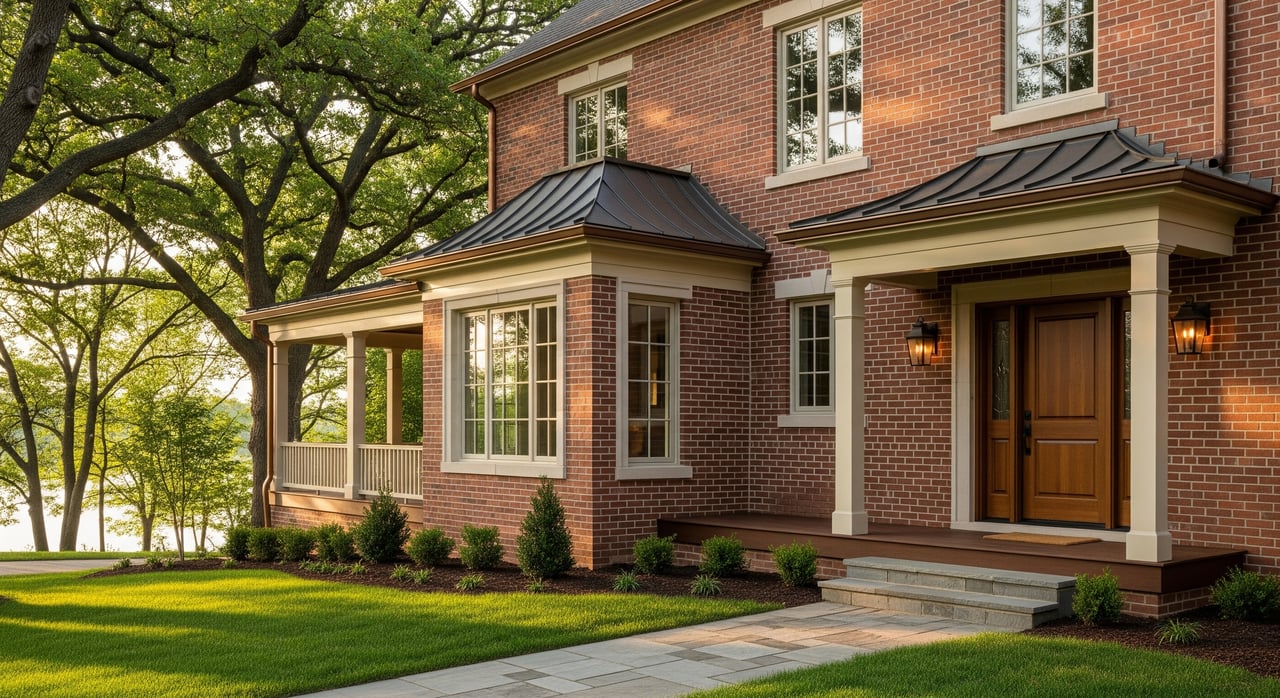
Clean, sound siding and trim signal proper maintenance. Power wash where appropriate and touch up peeling or faded paint on trim and doors. Fresh entry lighting and house numbers also boost first impressions.
Boost curb appeal fast
First impressions form within seconds. Small exterior improvements can yield oversized returns.
- Tidy landscaping with trimmed shrubs, edged beds, and fresh mulch.
- Keep the lawn cut and healthy during showings.
- Repaint or replace the front door if worn. Update the doormat and add clean, modern hardware.
Make smart interior updates
Focus on affordable updates that deliver high perceived value in photos and in person.
Fresh paint and flooring
Neutral, light paint helps buyers picture their life in your home. Patch nail holes and scuffs before painting. Refinish hardwoods if they are tired and deep clean or replace stained carpet. Repairs that make floors feel clean and continuous are worth it.
Kitchens and baths, not gut jobs
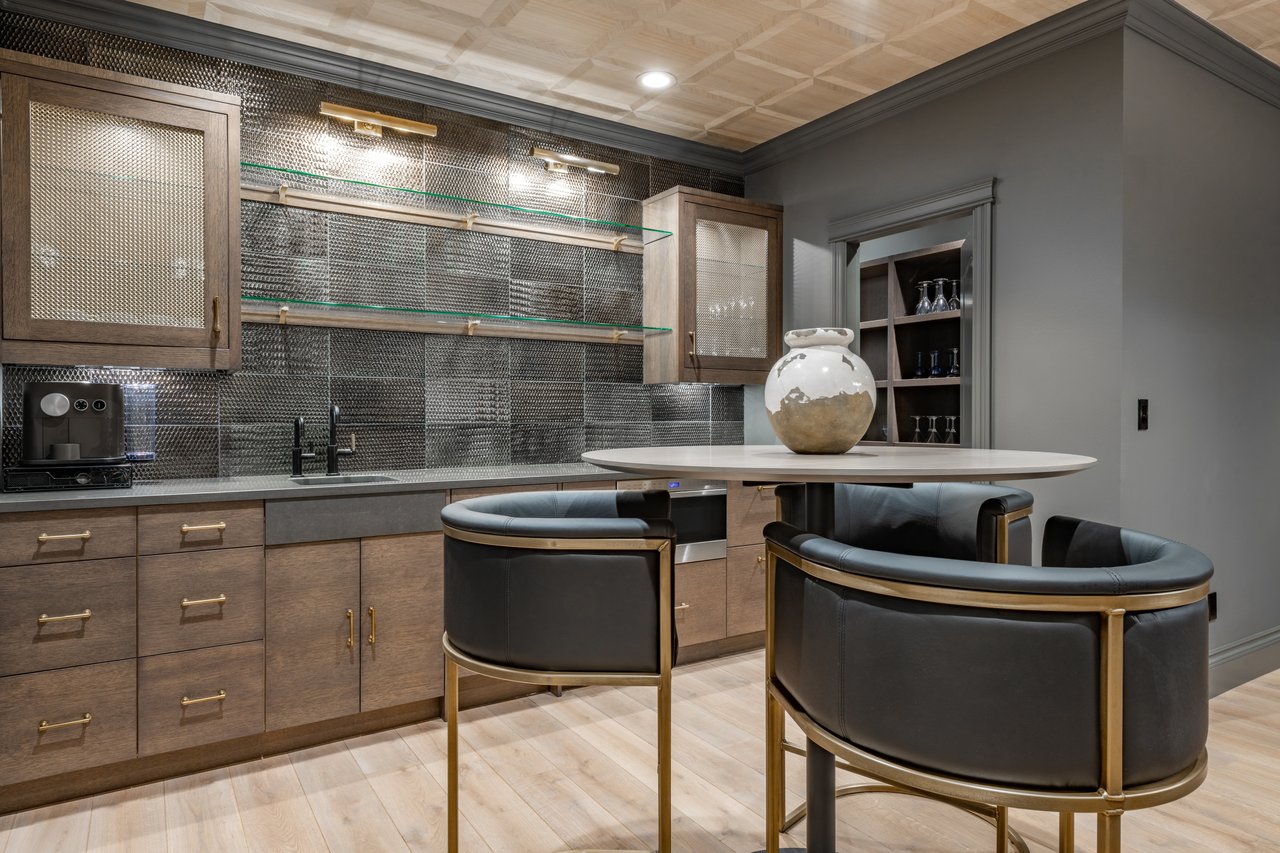
Target visible upgrades rather than full remodels. Paint dated cabinets, swap out hardware, install modern faucets, and refresh grout and caulk. Consider cost-conscious countertop updates where they elevate the whole room. Updated lighting can transform the look without heavy expense.
Clean, stage, and fix small stuff
Buyers want move-in-ready ease. A spotless, clutter-free home with all small fixes complete goes a long way.
- Deep clean every room, including baseboards, vents, windows, and appliances.
- Declutter and depersonalize to highlight space and light.
- Repair minor items: sticky doors, loose handles, burnt-out bulbs, and cabinet hinges.
- Consider professional staging for vacant or higher-end properties. It can speed the sale and improve offers.
Reduce buyer uncertainty
Anything you can do to remove unknowns will help your negotiation position.
Energy efficiency touch-ups
Service and tune HVAC, air-seal and insulate accessible attics, and ensure windows and doors seal well. Even small improvements can become talking points during showings and help buyers feel confident about ownership costs.
Consider radon and termites
Radon is a known risk in parts of Missouri, and subterranean termites are common across the region. A pre-listing radon test or termite inspection can help you address issues early or present clean reports to buyers. Being proactive reduces the chance of surprises during inspections.
Tailor repairs to your home
Your home’s age, lot, and exposure should shape your plan.
Older homes and disclosures
If your home was built before 1978, federal law requires lead-based paint disclosures. Highlight any known testing or abatement work. Older properties may also have legacy materials or electrical systems that warrant safety updates. Discuss with your agent what to repair now versus what to disclose and price for.
Basements and drainage
Many Creve Coeur homes have basements, so moisture control is key. Keep gutters clean, extend downspouts, improve grading, and use dehumidifiers as needed. Buyers expect dry basements, and documentation of mitigation steps builds trust.
Trees and storm exposure
Trim overhanging limbs, clean off roof debris, and consider gutter guards where trees shed heavily. These steps reduce maintenance signals and potential storm damage.
Plan your timeline and budget
A thoughtful plan keeps you on schedule and photo-ready for launch.
Pre-listing inspection, yes or no
A pre-listing inspection can identify issues early, reduce renegotiations, and let you choose your contractors. It comes with a cost and may uncover items you must address or disclose. If you want a smoother closing or know there is deferred maintenance, it is often a smart move.
Repair now or offer credits
Complete minor safety and cosmetic fixes before listing whenever possible. For big-ticket items, you might offer a credit or adjust pricing, especially if market demand is high. If you offer credits, expect buyers to request estimates during negotiations.
Permits and contractors
Pull required permits for significant electrical, plumbing, or structural work. Use licensed, insured pros and keep every receipt, warranty, and permit. A neat documentation packet reassures buyers and their lenders.
Photo-ready sequence
Schedule work to finish dusty projects before photos and staging. Painters and flooring pros should come before stagers and photographers. In spring storm season or busy contractor cycles, plan for longer lead times for roofers, HVAC techs, and specialty trades.
A prioritized checklist
Use this as a starting point, then customize with your agent:
- Walk your property with an agent or inspector to list critical items.
- Fix safety and structural issues first: leaks, electrical hazards, and foundation concerns.
- Service HVAC and plumbing; replace nonfunctional mechanicals when budget allows.
- Repair or replace damaged roofing and secure gutters and downspouts.
- Address visible interior defects: holes, broken fixtures, burnt bulbs, sticky doors.
- Paint interiors in neutral tones; refinish hardwoods or clean/replace carpet as needed.
- Boost curb appeal: lawn care, shrubs, power washing, and updated entry lighting.
- Consider a radon test and termite inspection; resolve issues or prepare to disclose.
- Gather documentation: permits, invoices, warranties, service records, and reports.
- Stage and schedule professional photos once repairs and cleaning are complete.
Pricing and negotiation impacts
Move-in-ready homes often sell faster and can command stronger offers. The key is to balance what you invest with the benefit of fewer days on market and reduced inspection demands. Your agent can show you comparable sales in Creve Coeur and how condition differences affected pricing and timing.
Ready to list with confidence
You do not need to over-improve to win in Creve Coeur. Focus on moisture control, safety, roof and mechanical reliability, and clean, neutral presentation. Then make targeted cosmetic updates that show well online and in person. Keep your paperwork tight and be proactive about inspections where it helps.
If you want help prioritizing repairs, sourcing vetted contractors, or leveraging Compass marketing and preparation resources, reach out to Jason D Cooper. Schedule a personalized consultation and get a tailored plan for your home.
FAQs
What pre-listing repairs add value in Creve Coeur?
- Start with safety and systems, then address roof and drainage, followed by fresh paint, flooring touch-ups, and small kitchen and bath improvements.
Should I get a pre-listing inspection before selling?
- Consider one if you suspect hidden issues or want to reduce renegotiation risk; it helps you control repairs and present documentation upfront.
How do I decide between repairs and credits?
- Complete minor safety and cosmetic fixes before listing; for big-ticket items, weigh replacement cost against offering a buyer credit or price adjustment.
What should I disclose to buyers in Missouri?
- Disclose known material issues, including lead-based paint in pre-1978 homes and any known radon or termite findings, and provide repair records when available.
How can I reduce basement moisture concerns?
- Extend downspouts, improve grading, maintain gutters, consider a sump pump and dehumidifier, and document any mitigation work you complete.
What documentation should I prepare for buyers?
- Gather permits, invoices, warranties, service records for HVAC and water heater, and any pre-listing inspection, radon, or termite reports.