Thinking about a move to Clayton and not sure where to begin? That feeling is normal, especially when you are trying to learn a new city from a distance while also balancing commute plans, home style, and day-to-day lifestyle. The good news is that Clayton is compact enough to study strategically, but varied enough that the right block can make a real difference in how you live. Let’s break down how to narrow your Clayton home search with more confidence.
Start With How You Live
Clayton is the seat of St. Louis County and sits in a central location just west of the City of St. Louis. The city notes that access to interstates and major roads makes much of the region easy to reach, which is a big advantage if you are relocating and still learning the area. That central position is one reason many buyers put Clayton on their shortlist.
But location in Clayton is not just about being near work. The city also has more than 3,400 businesses, a daily workforce of about 45,000, and two MetroLink passenger stations. For you, that means it often makes more sense to organize your search around your daily routine first, then narrow by home features.
Ask These Daily-Life Questions
Before you compare listings, think about how you want a typical weekday to feel.
- Do you want to walk to restaurants, shops, or offices?
- Do you expect to drive most places?
- Would a MetroLink-based commute make life easier?
- Do you want quick access to parks and outdoor space?
- Do you prefer a lower-maintenance property or a detached home?
These answers can save you time. In Clayton, a small change in address can shift your experience from walk-to-everything convenience to a quieter residential setting.
Choose Your Property Type Early
One of the most useful things about Clayton for relocating buyers is its broad housing mix. The city describes its housing stock as including stately single-family homes, condominiums, and multi-family apartments. That variety gives you options, but it also means you should decide early what kind of home fits your goals.
If you skip this step, it is easy to waste time comparing very different properties. A condo near the business core and a detached home on an established residential street may both be in Clayton, but they support very different lifestyles.
Condo or Apartment-Style Living
If you want convenience and lower day-to-day maintenance, condo-oriented areas and apartment-style options may be the right starting point. These can make sense if you value proximity to dining, retail, transit, or office space more than yard space or a larger lot.
This path is often a smart fit for buyers who want an easy lock-and-leave lifestyle. It can also help if you are relocating and want a simpler transition into a new city.
Detached Single-Family Living
If you picture a more traditional residential feel, start with Clayton’s established single-family areas. The city identifies neighborhood associations such as Claverach Park, Clayshire, Davis Place, Hillcrest, Moorlands, Old Town Clayton Subdivision, and Wydown Forest, along with the Clayton Condominium Building Association.
That list tells you something important. Clayton is not one uniform housing market, so your search should not treat it like one.
Use Neighborhood Character to Narrow Faster
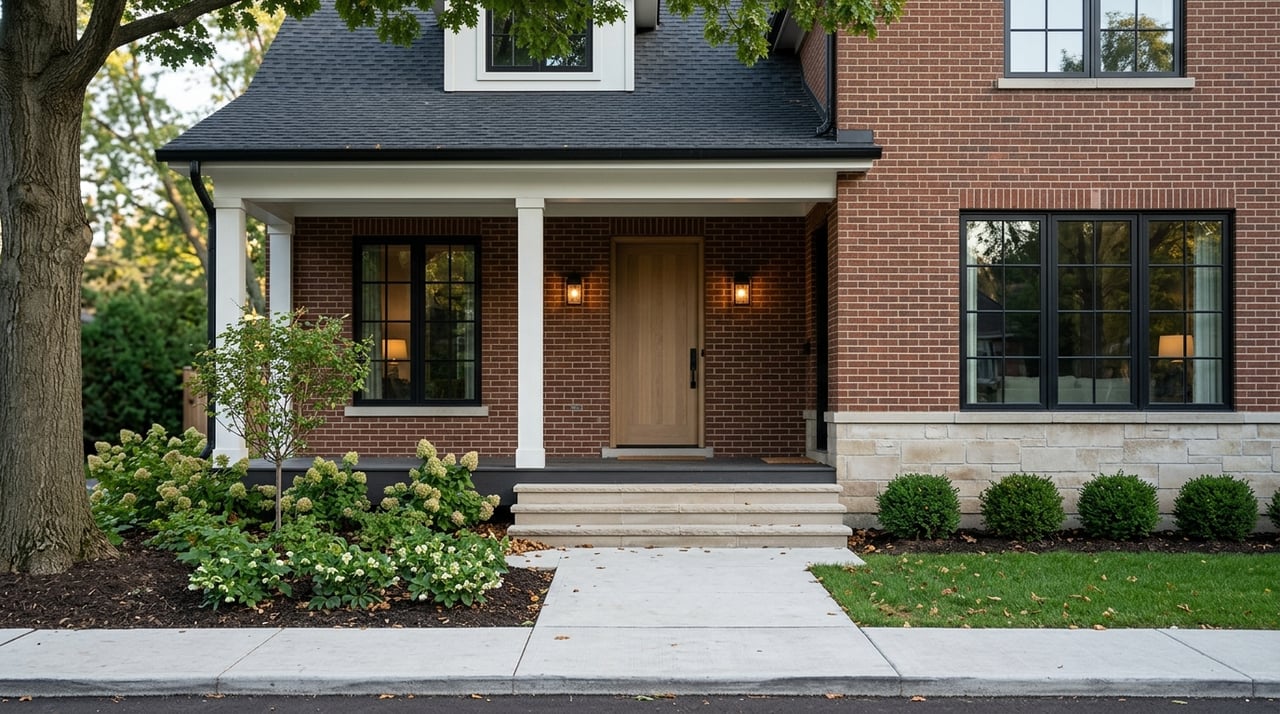
Clayton places clear emphasis on preserving historic structures and maintaining architectural integrity. The city’s planning and review framework supports compatibility between new construction and surrounding homes, which means street-by-street character matters here.
For you, that means it is worth paying attention to details beyond bedroom count. Things like façade style, lot character, garage placement, and how homes relate to each other on the block can shape whether a property feels right.
What to Look For on Each Block
As you narrow neighborhoods, pay attention to:
- Home style consistency
- Lot size and spacing between homes
- Sidewalk presence and walkability feel
- Parking setup and garage placement
- Nearby commercial activity
- Overall street rhythm and visual continuity
These details can be hard to catch from a listing alone. They matter even more in Clayton because many residential blocks have an established identity.
Focus on Commute Style, Not Just Distance
Many relocating buyers start by measuring commute times in miles. In Clayton, it is smarter to think in terms of commute style.
With two MetroLink stations and strong road access, you may have more than one workable option. The best-fit location for you depends on whether you want to walk, drive, or use rail transit as part of your normal routine.
Test the Commute Before You Visit
MetroLink runs 46 miles across 38 stations and operates seven days a week from before 5 a.m. to about 1 a.m. Metro Transit also offers an online Trip Planner and its official Transit app, which gives relocating buyers a practical way to test how an address would function in real life.
This is one of the easiest ways to narrow your search from afar. If a home looks great online but does not support your actual schedule, you can move on quickly.
Let Parks and Walkability Guide Your Search
If lifestyle matters as much as the house itself, Clayton gives you a few strong clues. Shaw Park is the city’s oldest and largest park, and it sits near the heart of the business district. The city says it includes a walking path, playground, picnic areas, aquatic center, outdoor ice-skating rink, tennis courts, and ball fields.
That makes Shaw Park a useful reference point when you are comparing locations remotely. If you want easier access to outdoor recreation and a more walkable daily routine, areas near the park deserve a closer look.
Clayton also notes that Forest Park is just east of the city. For some buyers, that adds another layer of appeal, especially if nearby large-park access is part of the lifestyle they want.
Where Walkability May Matter Most
The city describes many residential neighborhoods as being within walking distance of offices, restaurants, galleries, and specialty boutiques. If you are looking for an easy dinner-and-walk lifestyle, the downtown/core area and nearby residential streets are a logical place to start.
That does not mean every buyer should target the same area. It means you should decide whether walkability is a priority before you fall in love with listings that may not match your routine.
Use Clayton’s Map Tools Like a Local
One of the best advantages for out-of-area buyers is that Clayton offers strong public map tools. The city’s maps page includes an Interactive City Map plus downloadable maps for downtown, subdivisions, parcels, zoning, floodplain, traffic counts, parking meters, Shaw Park, and Oak Knoll Park.
These tools can help you narrow down blocks before you ever book a flight. They are especially useful when you want to compare neighborhood boundaries, study traffic patterns, and get a better sense of local context.
Smart Ways to Use the Maps
Here is how to make those tools practical:
- Compare subdivisions to see where neighborhood lines change
- Review traffic count data for busier corridors
- Look at parcel patterns for lot layout clues
- Use downtown maps to understand access to retail and offices
- Check park maps if outdoor access is a priority
This kind of research helps you move from “Clayton in general” to a much sharper shortlist.
Build a Better Remote Search Process
When you are relocating, the goal is not to see everything. The goal is to screen efficiently so your in-person time is spent on the strongest options.
A practical Clayton search process starts with neighborhoods, then moves to commute testing, then to property review. That order helps you avoid chasing listings in areas that do not fit your needs.
A Simple Clayton Shortlist Strategy
Use this sequence to stay focused:
- Use Clayton’s city maps to pick two or three likely neighborhoods.
- Test drive times or MetroLink options based on your routine.
- Review floor plans, 3D walkthroughs, and live video tours.
- Narrow to the best candidates before scheduling in-person showings.
- Compare street feel, parking, natural light, and nearby surroundings for your finalists.
Research cited in the report supports this kind of workflow for remote buyers. Virtual tools help you narrow choices efficiently, but most buyers still prefer to physically see a home before making a final decision.
Keep Your Search Focused on Fit
Clayton gives you a lot in a relatively compact footprint: a major business district, walkable pockets, established residential areas, transit access, and strong park amenities. That is exactly why narrowing your search matters.
Instead of asking only which home looks best online, ask which part of Clayton fits the life you want to live. Once you answer that clearly, the right homes tend to rise to the top much faster.
If you are relocating and want experienced, hands-on guidance as you compare Clayton neighborhoods, commute options, and home styles, Jason D Cooper can help you build a focused search and move forward with confidence.
FAQs
What is the best way to start a home search in Clayton, MO?
- Start by choosing the lifestyle you want first, such as walkability, commute style, park access, or a more traditional residential setting, then narrow to neighborhoods and property types that match.
Are there different types of homes in Clayton, St. Louis?
- Yes. According to the city, Clayton includes stately single-family homes, condominiums, and multi-family apartments, so buyers should decide early which housing type best fits their needs.
How can I narrow my Clayton home search from out of town?
- A smart approach is to use Clayton’s map tools to shortlist neighborhoods, test commute options with Metro Transit tools, review virtual tours and floor plans, and then visit or preview only the strongest candidates.
Is Clayton a walkable place to live?
- In many areas, yes. The city says many residential neighborhoods are within walking distance of offices, restaurants, galleries, specialty boutiques, and Shaw Park, though the experience can vary by block and neighborhood.
Why does block-by-block research matter in Clayton?
- Clayton has a varied housing mix and an emphasis on preserving architectural character, so small changes in location can affect home style, street feel, parking, walkability, and overall day-to-day living.