Thinking about selling a historic home in Kirkwood? You are not just putting a house on the market. You are presenting a property with character, rules, maintenance history, and details that buyers will notice right away. If you understand how Kirkwood’s preservation process, permits, inspections, and buyer expectations fit together, you can plan your sale more confidently and avoid last-minute surprises. Let’s dive in.
Understand what “historic” means
In Kirkwood, not every older home is treated the same way. The city has a significant preservation framework with 85 designated landmarks, nine local historic districts, and National Register listings. That means your home may be older and charming without being subject to the same local review rules as a designated landmark or a home inside a local historic district.
This distinction matters when you prepare to sell. According to the city, National Register status is honorary, while local landmarks and local historic districts can trigger review of certain exterior changes and demolition. Before you make updates, it helps to confirm exactly how your property is classified.
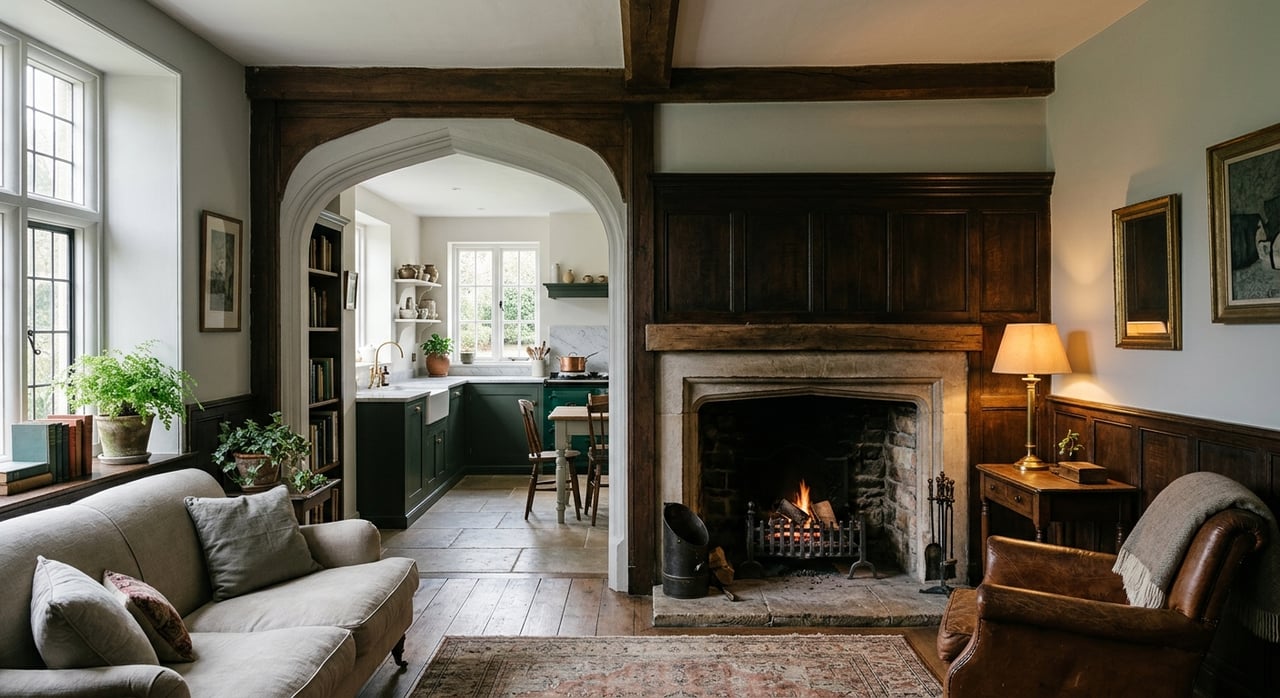
Kirkwood’s historic housing stock also spans more than one era. The city’s district list includes older neighborhoods as well as mid-century modern districts, so historic character can show up in many forms. That can be a real advantage when marketing your home, especially if you present its features clearly and accurately.
Check local review before updates
If your property is a designated landmark or located in a local historic district, the Landmarks Commission reviews exterior alterations, demolition, and new construction. The city also states that a Certificate of Appropriateness must be issued before you can obtain a building permit for that work. If you are planning exterior repairs or improvements before listing, this step can affect your timeline.
Timing matters more than many sellers expect. The city says complete application packets are due two weeks before the Wednesday meeting date, and complete applications are reviewed within 60 days. If you want to repaint trim, address windows, update exterior materials, or complete another visible exterior project, it is smart to build that review window into your pre-listing plan.
Even outside preservation review, Kirkwood requires permits and inspections for remodeling and repair of existing structures. The city also requires contractors to be licensed locally. For sellers, that means quick cosmetic work is not always as simple as calling the first contractor available.
Plan for the occupancy inspection
One of the biggest practical steps in a Kirkwood sale is the occupancy permit process. The city states that all changes in occupancy require a permit and inspection. Buyers or new occupants receive the occupancy certificate after that process is complete.
It is important to know what this inspection does and does not cover. The city explains that the occupancy inspection is a minimum property-maintenance inspection based on visible conditions only. It is not a full home inspection, and it does not include hidden areas or full performance testing of major systems.
That means you should not assume an occupancy pass will answer every buyer concern. The city specifically notes that this inspection does not inspect attics or crawl spaces, move belongings, check roof condition, test HVAC or water heater performance, or remove the electrical panel cover. Buyers may still uncover separate issues during their own private inspections.
Know the issues buyers may notice
Older homes often come with deferred maintenance, and Kirkwood’s inspection materials provide a useful preview of what may draw attention. The city lists visible issues such as sanitation and drainage problems, peeling exterior paint, foundation cracks, loose or rotting exterior materials, roof or chimney concerns, stair and guardrail issues, missing smoke detectors, plumbing leaks, and visible electrical hazards.
Window and door condition can also affect buyer confidence. The city’s materials mention inoperable or poorly maintained windows and doors, damaged interior surfaces, and inadequate bathroom ventilation among common concerns. In a historic home, these items may seem familiar to you, but to a buyer they can raise questions about the overall level of care.
Another detail sellers should keep in mind is transparency. Kirkwood states that the occupancy inspection report becomes a public record. In practical terms, you should assume buyers may review it and ask direct questions about anything cited.
Preserve character, don’t erase it
When selling a historic home in Kirkwood, authenticity can be a strength. The city’s design guidelines emphasize maintaining original materials, repairing rather than replacing when possible, and matching replacement materials closely when replacement is necessary. That approach supports a better story for buyers than over-updating features that give the home its identity.
Windows are a good example. Kirkwood’s guidelines describe original windows as character-defining and say it is preferable to repair them rather than replace them. If replacement is necessary, the new windows should match the originals in material, size, and design.
The guidelines also discourage changes that cover or erase historic details, such as wrapping features in vinyl or aluminum or adding elements that were never historically present. For sellers, that is a useful reminder that “newer” is not always “better” in the eyes of buyers shopping for a historic property. Many buyers want evidence that the home’s original character has been respected.
Organize your records early
Historic-home buyers often care about what was done, when it was done, and whether it was done properly. One of the most helpful things you can do before listing is organize paperwork for maintenance, permits, contractor invoices, and any approved exterior work. If you have records for windows, roofing, masonry, trim, drainage improvements, or major system updates, keep them easy to share.
This kind of documentation supports smoother conversations during showings and negotiations. It can also help your agent explain the difference between old-house character and unresolved deferred maintenance. In many cases, a well-documented home feels more trustworthy than one that simply looks freshly updated.
If you are unsure about appropriate exterior work, Kirkwood notes that property owners may seek free advice on design and historic preservation. That can be a useful starting point before spending money on changes that may not help your sale.
Market to the right buyer mindset
Kirkwood is a market where buyers may weigh both charm and long-term ownership costs. Census QuickFacts for Kirkwood show a 77.2% owner-occupied housing rate, a $451,400 median value of owner-occupied housing units, and a $121,270 median household income. That context suggests many buyers are looking carefully at both quality and upkeep.
For a historic home, strong positioning usually starts with honest presentation. Instead of trying to make the property seem brand new, it often works better to highlight original features, explain thoughtful repairs, and show how the home has been maintained over time. Buyers looking at historic homes in Kirkwood are often responding to authenticity as much as appearance.
If the property is a certified historic structure or carries a relevant designation, there may also be buyer interest in rehabilitation incentives. Missouri’s Historic Preservation Tax Credit program is intended to incentivize rehabilitation of commercial and residential historic structures. In some cases, the city also notes that National Register properties may be eligible for grants and tax credits for rehabilitation, but that should only be discussed when it truly applies to the property.
Price and negotiate with clarity
Historic homes rarely fit a one-size-fits-all formula. Original millwork, masonry, windows, porches, trim, and architectural details may add appeal, but buyers will also consider maintenance demands, permit history, and visible repair needs. The key is to go into the market with a clear understanding of the home’s condition and how it compares with other Kirkwood listings.
Negotiations also tend to go better when you remove uncertainty early. If you address visible code or maintenance items before listing, disclose known facts accurately, and provide records for completed work, buyers have fewer reasons to assume the worst. That can protect both your price position and your timeline.
Selling a historic home in Kirkwood is often less about making it feel new and more about showing that it has been responsibly cared for. When you combine preservation awareness, clean documentation, and a thoughtful marketing strategy, you give buyers a clearer path to saying yes.
If you want a tailored plan for preparing, pricing, and presenting your Kirkwood home, Jason D Cooper can help you build a strategy that respects the property’s character while positioning it for a strong sale.
FAQs
What makes a home historic in Kirkwood?
- In Kirkwood, a home may simply be older, may be a designated local landmark, may be inside a local historic district, or may be listed on the National Register. Those categories do not all carry the same local review requirements.
Do sellers of historic homes in Kirkwood need city approval for exterior work?
- If the property is a designated landmark or located in a local historic district, exterior alterations, demolition, and new construction may require Landmarks Commission review and a Certificate of Appropriateness before a building permit is issued.
What does the Kirkwood occupancy inspection cover for home sellers?
- The Kirkwood occupancy inspection is a minimum property-maintenance inspection based on visible conditions only. It is not a full home inspection and does not evaluate many hidden or performance-related issues.
What issues commonly come up when selling an older home in Kirkwood?
- Common visible issues include peeling paint, cracks, loose or rotting exterior materials, window and door problems, leaks, ventilation concerns, stair or railing issues, smoke detector deficiencies, and visible electrical hazards.
Should owners replace original windows before selling a historic home in Kirkwood?
- Kirkwood’s design guidelines say original windows are character-defining and should generally be repaired rather than replaced. If replacement is necessary, the new windows should closely match the originals.
Are there tax credit opportunities tied to historic homes in Kirkwood?
- Some certified historic structures may relate to Missouri’s Historic Preservation Tax Credit program, and the city notes that some National Register properties may be eligible for grants or tax credits for rehabilitation when applicable.