If you are selling an estate-lot home in Town & Country, you are not just preparing a house for market. You are preparing the land, the approach, the outdoor living spaces, and the full first impression buyers get the moment they turn in. That can feel like a lot to manage, especially when timing, maintenance, and documentation all matter. The good news is that with the right plan, you can make the process more orderly, less stressful, and better positioned for a strong launch. Let’s dive in.
Why estate-lot prep matters in Town & Country
Town & Country is a distinctly estate-oriented market. The city has long emphasized larger lots and open green space, and its zoning framework reflects that pattern, with estate districts tied to substantial lot sizes and wide frontages.
That matters when you sell, because buyers are evaluating more than square footage inside the home. They are also noticing how the grounds are maintained, how accessory structures fit the site, and whether the property feels cohesive from the street to the backyard.
Current market conditions also support a disciplined approach. Realtor.com’s April 2026 snapshot showed 75 homes for sale in Town & Country, a median listing price of $902,844, and a median 76 days on market. In other words, even in a premium market, thoughtful prep and pricing still matter.
Start with an 8 to 12 week plan
For most estate-lot properties, the best listing launches begin well before the sign goes up. A longer runway gives you time to handle outdoor work first, then move indoors, then finish with cleaning, photography, and final touch-ups.
This kind of timeline is especially useful in Town & Country, where lot size can expand the to-do list. A long drive, mature trees, drainage areas, detached structures, patios, and pool zones all take time to review and prepare.
Focus on grounds and exterior first
About 8 to 12 weeks before listing, start with the exterior. On a large property, deferred outdoor work is easier for buyers to spot because there is simply more to see.
Begin with lawn care, edging, pruning, cleanup, and drainage review. Town & Country code enforcement states that grass over 8 inches is a violation, so basic upkeep is not just cosmetic. It is part of presenting the property well and staying aligned with local standards.
This is also the time to look closely at gutters, downspouts, splash areas, and runoff patterns. The city regulates water discharge near property lines and pool drainage, so it is smart to address visible issues before photography and showings begin.
Review any planned exterior projects early
If you are considering a roof replacement, deck work, renovations, pool-related work, or another substantial exterior project, check timing right away. Town & Country requires permits for many common projects, and some residential construction must be approved by the Architectural Review Board before a building permit is issued.
The city’s application materials state that reviews are held on the first Monday of the month, with completed applications due the first Monday of the prior month. That timeline can affect your listing strategy, so it is better to know early whether a project should be completed before listing, disclosed as planned work, or postponed.
Separate listing prep from land division plans
Some estate-lot owners also wonder whether a lot split could affect value or marketability. In Town & Country, a subdivision or land division is a separate municipal process.
The city defines subdivision as dividing a parcel into two or more lots, with proposed plats moving through city staff, the Planning and Zoning Commission, and then the Board of Aldermen. If that is part of your long-term plan, treat it as its own track instead of assuming it can be handled casually during listing prep.
Shift indoors 4 to 6 weeks out
Once the exterior is under control, turn your attention inside the home. At this stage, the goal is not to strip away character. It is to make the home feel spacious, well cared for, and easy for buyers to understand.
Declutter room by room, simplify furniture placement, and organize storage areas. In larger homes, buyers often open closets, walk utility spaces, and look closely at how well the property has been maintained.
Make outdoor living feel intentional
For estate-lot homes, outdoor living areas deserve the same attention as the kitchen or primary suite. Patios, pool decks, detached garages, and long front approaches should look deliberate, not forgotten.
That may mean removing extra furniture, storing worn items, refreshing container plantings, or cleaning surfaces so the spaces photograph clearly. When outdoor features feel maintained and connected to the home, buyers are more likely to see the full value of the property.
Plan photography before the final rush
This is also a smart time to confirm your photography schedule. With a relatively limited number of active listings in Town & Country, a polished visual launch can help your home stand out.
Professional photography tends to work best when the property is already mostly ready, not when you are still making major improvements. Setting the photo date early helps you work backward and stay organized.
Finish strong 1 to 2 weeks before listing
The final stretch is about detail. By this point, the major work should be done so you can focus on presentation.
Deep cleaning, window washing, touch-up paint, final mulch and bed cleanup, and small landscape adjustments can make a meaningful difference. These finishing steps help the home look crisp in photos and feel cared for in person.
Choose your photo window carefully
In the St. Louis area, weather can affect exterior photography more than many sellers expect. NOAA normals for St. Louis show average temperatures of 57.5°F in April, 67.5°F in May, and 59.1°F in October, compared with 80.4°F in July and 78.8°F in August.
That is one reason spring and early fall are often easier seasons for exterior photos and showings. At the same time, April and May average the most rain, at 4.73 and 4.82 inches, so it is wise to build in a backup photo day.
Gather disclosures and records early
One of the easiest ways to create delays is to wait too long on paperwork. Estate homes often have longer ownership histories, more repairs, and more site-specific details than a typical suburban listing.
Try to collect records before the first showing whenever possible. That includes warranties, invoices, survey records, permits, and any documentation tied to known repairs or improvements.
Pay close attention to older homes
If the home was built before 1978, lead-based paint disclosure rules apply. Sellers and agents must disclose known lead-based paint information before the contract is signed, provide the federal pamphlet, and allow a 10-day inspection period.
This matters even more for older homes because Missouri DHSS says lead-based paint remains common in older housing stock. The agency estimates it in 60% of dwellings built from 1960 to 1978, 80% of dwellings from 1940 to 1959, and as high as 90% of pre-1949 dwellings.
Organize known property history
Missouri law states that a seller’s agent does not have to independently inspect or verify a seller’s statements, but must disclose adverse material facts actually known or that should have been known. In practical terms, organized records help everyone communicate more clearly and reduce surprises.
If you know of drainage issues, prior repairs, roof work, pool updates, or accessory structure improvements, gather that information early. Buyers tend to feel more confident when the home’s history is presented clearly and professionally.
Outdoor details buyers notice first
Large properties create strong first impressions, both good and bad. Before your home goes live, walk the property as if you were seeing it for the first time.
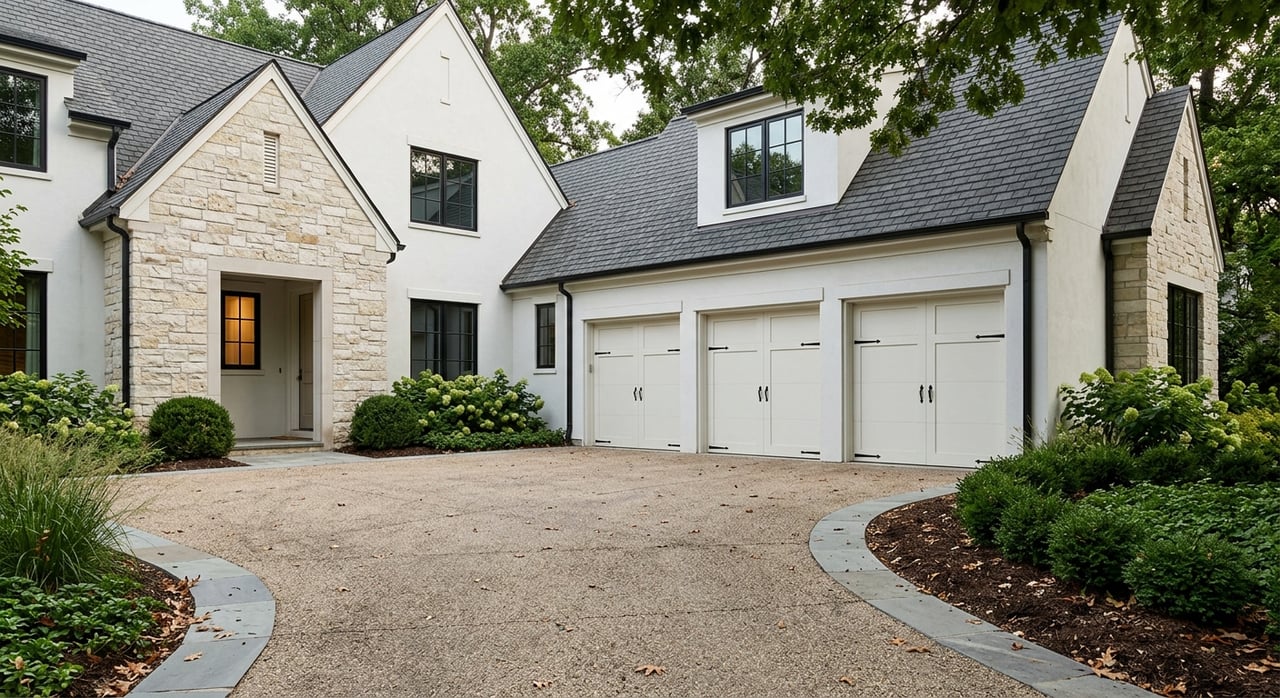
Look at the drive approach, mailbox area, front beds, lawn edges, visible drainage paths, and any structure that sits apart from the main house. On estate lots, these details can shape a buyer’s opinion before they ever step through the front door.
Check for code-related maintenance issues
Town & Country code enforcement addresses excessive weeds and nuisance issues, and residential grass may not exceed 8 inches. If a property has been lightly used or seasonally occupied, overgrowth can catch up quickly.
The city also regulates drainage-related issues, so check for standing water, muddy discharge zones, or obvious runoff concerns. A polished exterior is not only more attractive. It also signals that the property has been consistently cared for.
Include accessory structures in the prep plan
If your home has a pool house, pavilion, detached garage, or another accessory building, do not treat it as an afterthought. In Town & Country’s Estate and Suburban Estate districts, accessory buildings are subject to rules related to size, setbacks, screening, and compatibility.
The code also states that above-grade accessory buildings must be landscaped with evergreens so the outline is broken. From a selling standpoint, that means these structures should be cleaned up, landscaped appropriately, and presented as an integrated part of the property.
A simple selling timeline to follow
If you want a practical roadmap, this is the clearest way to think about prep:
- 8 to 12 weeks before listing: address lawn care, pruning, drainage, exterior repairs, and any permit-related project review
- 4 to 6 weeks before listing: declutter interiors, simplify furniture, organize closets, and refine patios, pool areas, and detached structures
- 1 to 2 weeks before listing: deep clean, wash windows, complete touch-up paint, and finish final landscape detailing
- Photo week: confirm weather, prepare backup timing if rain is likely, and make sure the entire site looks consistent from front approach to backyard views
Why a guided plan helps
Selling an estate-lot home in Town & Country is often more complex than selling a standard suburban property. You are coordinating house prep, land presentation, documentation, timing, and buyer expectations all at once.
A guided plan helps you avoid rushed decisions and focus your time where it matters most. With the right strategy, you can present the property as a complete package, not just a house sitting on a large lot.
If you are thinking about selling in Town & Country, Jason D Cooper can help you build a personalized listing timeline, coordinate prep, and position your home with a thoughtful, high-touch marketing plan.
FAQs
What makes selling an estate-lot home in Town & Country different?
- In Town & Country, buyers are evaluating the house, the lot, the grounds, and any outdoor amenities together, so prep usually takes more planning than a typical home sale.
When should you start preparing a Town & Country estate-lot home for sale?
- A practical starting point is 8 to 12 weeks before listing so you have time to address grounds, exterior work, interior decluttering, and final presentation.
What outdoor issues matter most when listing a Town & Country property?
- Lawn maintenance, pruning, drainage, pool areas, drive approach presentation, and the condition of accessory structures are all important because buyers notice them right away.
What should sellers gather before listing an older Town & Country home?
- Gather repair invoices, warranties, survey records, permit information, and any known issue history early, especially if the home was built before 1978 and lead-paint disclosure rules apply.
Do accessory buildings affect prep for a Town & Country home sale?
- Yes. Detached garages, pavilions, pool houses, and similar structures should be cleaned, maintained, and landscaped as part of the overall presentation because they are part of how buyers judge the property.
Why should Town & Country sellers plan around weather for listing photos?
- Exterior presentation matters on estate lots, and spring and early fall are often easier for photos in the St. Louis area, though spring rain makes a backup photo day a smart idea.