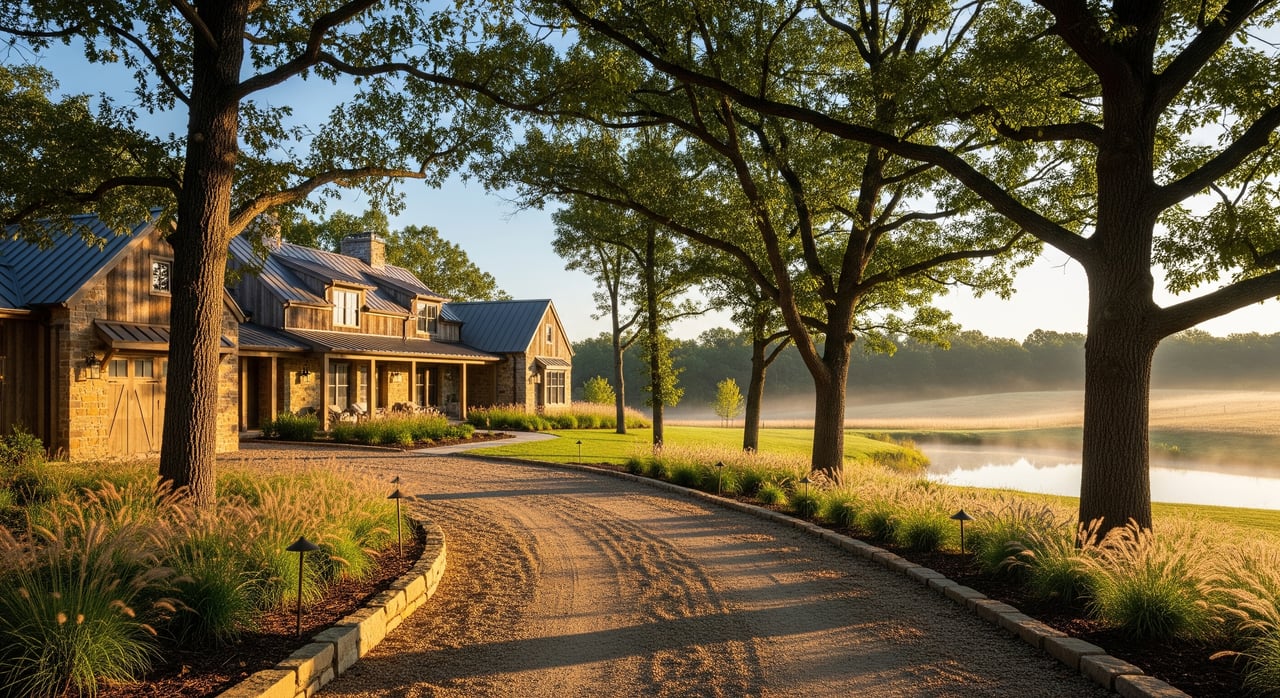
Craving more space, quiet mornings, and starry nights without giving up suburban convenience? Wildwood offers that blend of acreage living with easy access to shopping, schools, and community events. If you’re considering a larger lot here, you likely want privacy and room to breathe while staying connected to daily life. In this guide, you’ll learn how acreage living in Wildwood really works, what to expect day to day, and what to check before you buy so you can move forward with confidence. Let’s dive in.
Acreage living in Wildwood defined
Setting and character
Wildwood sits in western St. Louis County with a semi-rural feel and substantial green space. It balances residential neighborhoods with conservation areas and trails, which helps protect the area’s natural features. You get the sense of being out in the country, but you’re still within reach of suburban services.
Typical lots and homes
Acreage properties often range from 1 to 3 acres on the smaller side, with many listings between 3 and 5 acres, and some 10 acres or more. You’ll see single-family homes, custom builds, and older farm properties that have been updated for residential use. Many properties include outbuildings like barns or workshops, and some are part of conservation or estate subdivisions.
Open space and trails
A big benefit of Wildwood is access to large parks, conservation land, and trail systems. These areas shape views, wildlife presence, and weekend routines, especially if you hike, bike, ride horses, or simply enjoy nature watching. It’s common to live near trailheads and scenic corridors that make outdoor time part of everyday life.
Everyday lifestyle and recreation
Privacy and community feel
On acreage, homes sit farther apart, often with trees and rolling topography creating natural buffers. You’ll likely hear fewer cars and see fewer neighbors from your windows. At the same time, Wildwood’s village centers and city events keep you connected, so acreage living feels semi-rural rather than isolated.
Outdoor access at your doorstep
Many residents use nearby trails for morning walks, weekend hikes, or mountain biking. On your own land, you might garden, plant fruit trees, tend a woodlot, or keep a small flock of chickens or bees. Some neighborhoods or covenants may limit certain activities, so it’s smart to confirm rules for animals, fencing, and outbuildings before you buy.
Equestrian options
Wildwood includes many horse-friendly properties with barns, paddocks, and arenas. If horses are part of your plan, confirm the zoning classification, minimum acreage per animal, and setback requirements for barns and fencing. Also think through practical needs like manure management, shelter, trailer storage, and access to trails, vets, and farriers.
Wildlife and land care
You’ll share the landscape with deer, turkey, songbirds, and smaller mammals. That brings beauty and responsibility. Be prepared for tick awareness, deer impacts on landscaping, and ongoing tree maintenance. Mature trees are assets, but on larger lots they require periodic inspections and occasional removals after storms.
Services, shopping, and commute
You’ll find groceries, pharmacies, and dining in Wildwood’s activity centers and nearby suburban hubs. Specialty services may require a short drive. Commutes depend on your route and time of day, and many acreage buyers accept a longer drive in exchange for more space and privacy.
Schools and emergency services
Most of Wildwood is served by the Rockwood School District, with some parcels connected to nearby districts. Families often consider school commute times when selecting a property. Police and fire protection are provided by local and county districts, and response times in lower-density areas can be different than in denser suburbs, which may influence your personal planning and insurance.
Infrastructure, rules, and ongoing costs
Water and sewer
Many acreage homes rely on private wells, while others may have access to public or community water. Well depth, flow rate, and water quality can vary, so independent testing is essential. Septic systems are common, and you should verify system age, capacity, condition, and reserve area for future replacement.
Power, internet, and cell
Overhead electric lines are typical, especially on larger properties. Internet options vary by address and can include cable, DSL, fixed wireless, or satellite. Before you fall in love with a home, confirm provider options and tested speeds at the property.
Roads, driveways, and storm access
Long, private driveways are common and require regular care. Plan for grading, resurfacing, snow removal, and leaf clearing. Some homes sit on private lanes or subdivision roads with shared maintenance agreements. Ask who pays for repairs, culverts, and plowing, and confirm that emergency vehicles have approved access and turnaround space.
Zoning, permits, and restrictions
Zoning determines what you can build or operate on your land, including accessory buildings, home-based businesses, and the number of horses or livestock. Most improvements require permits and inspections. Review zoning maps and any recorded covenants so your plans align with local rules.
Taxes, insurance, and maintenance
Acreage can increase assessed land value, which affects property taxes. Insurance companies consider distance to fire hydrants and stations, tree risk, road access, and outbuildings when setting premiums. Budget for ongoing tasks like mowing, brush management, tree work, fence repair, driveway upkeep, septic pumping, and well service.
Environmental considerations
Check FEMA flood maps and any wetland indicators if a parcel includes stream corridors or lowlands. Some properties carry conservation easements that limit future development. These restrictions remain with the deed, so understand them before you close.
Buyer due diligence checklist
Documents and records
- Current boundary survey verifying access and easements.
- Title search plus recorded covenants, easements, or conservation restrictions.
- Zoning classification and a list of permitted uses for the parcel.
- Recent property tax bill and any special assessments.
Site systems and structure
- Well test for flow rate and water quality, including iron, nitrates, and bacteria.
- Septic inspection with age, capacity, last pump date, and repair history.
- Full structural review of the house and outbuildings for foundation, roof, water intrusion, and settling.
- Soil and drainage review if you plan major additions or a new outbuilding.
Access and hazards
- Driveway and ingress documentation, including private road agreements and maintenance responsibilities.
- FEMA floodplain and any potential wetland concerns.
- Utility locations and any overhead or underground easements.
Lifestyle and operations
- Road and driveway maintenance plan for snow and leaf removal.
- Trash and recycling pickup details, municipal or private hauler.
- Verified internet and cell providers with address-specific speed checks.
- Local animal and agricultural rules, including livestock counts, setbacks, and manure management.
Costs and contingencies
- Annual maintenance budget estimates for driveway, mowing, tree work, fence, septic, and well.
- Insurance quotes that reflect distance to fire services and structure types.
- Offer contingencies for well and septic results, a boundary survey, and time to verify zoning for your intended uses.
How this shapes your Wildwood search
Start by clarifying how you’ll use the land. Do you want a quiet, wooded setting with minimal mowing, or open pasture for horses and a barn? Do you plan a garden, a workshop, or a future accessory building? Your intended uses will drive what zoning, acreage size, and covenants will work for you.
Next, define your non-negotiables for utilities and access. Confirm well and septic status early. Check internet and cell coverage by address rather than assuming. Review driveway length, slope, and surfacing so you are comfortable with winter access and long-term maintenance.
Finally, consider financing, valuation, and insurance for larger parcels and specialized improvements. Lenders, appraisers, and insurers can treat very large tracts or properties with agricultural features differently. Getting quotes and guidance upfront helps you compare homes on a true apples-to-apples basis.
Partner with a local advocate
Acreage purchases have more moving parts, from wells and septic to zoning and shared-road agreements. You want a hands-on guide who can anticipate issues, coordinate inspections, and connect you with trusted specialists. With long-tenured experience and a focus on Wildwood and surrounding suburbs, I help you evaluate both the house and the land so you can buy with confidence.
If you’re exploring acreage in Wildwood, let’s talk through your plans and set up a search tailored to your intended uses, budget, and timeline. Schedule a personalized consultation with Jason D Cooper to get started.
FAQs
What does “acreage living” in Wildwood mean?
- It’s a semi-rural lifestyle with larger lots, more privacy, and easy access to parks and trails, while staying close to suburban services and community hubs.
Are horses allowed on acreage in Wildwood?
- Many properties are horse-friendly, but you should confirm zoning, acreage per animal, and setbacks for barns and fencing for each specific parcel.
Will I have reliable internet and cell service on a large lot?
- Coverage varies by address; verify providers and tested speeds at the property rather than relying on neighborhood-wide assumptions.
Who maintains private roads or long driveways?
- Some parcels are on private lanes with shared agreements; others rely on owners for snow plowing and repairs, so confirm responsibilities in writing.
What hidden costs should I plan for with acreage?
- Budget for tree work, brush management, fence repair, driveway upkeep, septic pumping, well service, and higher insurance if you’re far from hydrants.
How does living near conservation land affect daily life?
- You’ll enjoy scenic views and trail access, but you’ll also see more wildlife, which can influence landscaping choices and maintenance routines.